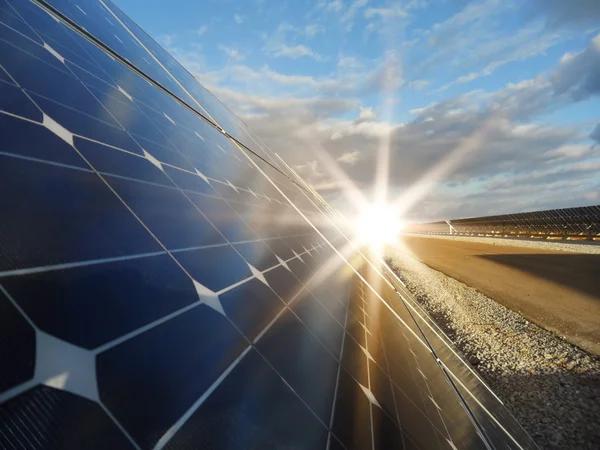
Solar panels have become an essential component in the transition toward renewable energy, offering both beginners and experts a reliable way to harness solar power for residential or commercial use. Understanding how solar panels work is fundamental; they convert sunlight into electricity using photovoltaic cells made primarily of silicon. When sunlight hits these cells, it excites electrons, generating direct current (DC) electricity. An inverter then converts this DC into alternating current (AC), which powers homes and businesses.
For those new to solar technology, choosing the right type of panel is crucial. Monocrystalline panels are known for their high efficiency and sleek design but tend to be uncover more expensive. Polycrystalline panels offer a cost-effective alternative with slightly lower efficiency, while thin-film panels provide flexibility and lightweight options but generally produce less power per square foot. Site assessment plays a critical role in system performance; factors such as roof orientation, shading from trees or buildings, and local climate conditions affect overall energy generation.
Installation requires careful planning to maximize exposure to sunlight throughout the day while ensuring structural integrity on rooftops or ground mounts. Professional installation is recommended for safety reasons and to comply with local regulations and permitting processes. After installation, monitoring systems allow users to track energy production in real time, helping identify any issues promptly.
For experienced users looking to optimize their setup further, integrating battery storage can enhance energy independence by storing excess power generated during peak daylight hours for use at night or during outages. Advances in battery technology have improved capacity and lifespan significantly in recent years, making storage solutions more accessible than ever before.
Maintenance of solar panels involves keeping surfaces clean from dust, leaves, or snow that might block sunlight absorption. Regular inspections ensure connections remain secure and components function correctly over time without degradation affecting output quality.
Financial incentives like tax credits, rebates, or net metering programs often make investing in solar systems economically attractive by reducing upfront costs or providing compensation for surplus electricity fed back into the grid.
Understanding these elements enables both novices and seasoned professionals to make informed decisions about selecting equipment tailored to specific needs while maximizing return on investment through efficient operation and maintenance practices.
By embracing solar technology thoughtfully-from initial research through ongoing management-users contribute not only toward lowering utility bills but also advancing global sustainability goals by reducing reliance on fossil fuels through clean energy adoption.