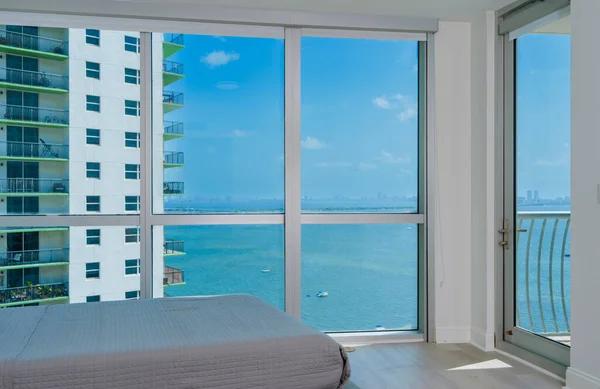
When considering the protection of a home, particularly in hurricane-prone areas, the choice between installing hurricane impact windows and regular windows is crucial. Both options serve as barriers against external elements, but their differences are significant when it comes to safety, durability, and overall performance.
Hurricane impact windows are specifically designed to withstand extreme weather conditions. They consist of two layers of glass with an interlayer made from polyvinyl butyral (PVB) or ethylene-vinyl acetate (EVA). This construction ensures that even if the glass shatters upon impact from flying debris during a storm, the interlayer holds the fragments together. In contrast, regular windows typically feature a single pane of glass that lacks this protective laminate layer. Consequently, when subjected to high winds or impacts from debris, regular windows are more likely to break completely and allow wind and rain into the home.
The strength of hurricane impact windows not only protects against physical damage but also contributes significantly to home security. Because these windows are difficult to penetrate due to their robust design and materials, they deter potential intruders far more effectively than standard window solutions. Regular windows can be easily broken with forceful entry tools like hammers or crowbars—a vulnerability that poses substantial discover our services security risks for homeowners.
Energy efficiency is another aspect where hurricane impact windows outperform their traditional counterparts. The insulating properties provided by the thick laminated glass reduce heat transfer between indoor spaces and outdoor environments. This results in lower energy consumption for heating and cooling systems throughout different seasons—an advantage not commonly found in regular window installations which often suffer from poor insulation capabilities leading to higher utility bills.
Noise reduction is yet another benefit offered by hurricane impact window designs due largely because they minimize sound transmission through multiple layers compared directly against singular-pane setups seen within typical residential builds across America today; living near airports busy streets becomes considerably quieter thanks primarily towards those acoustical dampening qualities inherent alongside these specialized products themselves!
Cost remains one factor where traditional alternatives might initially seem appealing given upfront pricing disparities evident at first glance; however long-term savings accrued via reduced maintenance needs coupled alongside insurance discounts available exclusively toward homes fitted appropriately equipped structures ultimately render initial investments worthwhile over extended periods making them sound financial decisions indeed!
In conclusion: choosing wisely between installing either option involves weighing factors such as safety benefits associated with superior resistance characteristics inherent within specially manufactured units versus affordability concerns tied closely around simplistic conventional offerings still prevalent market despite growing awareness surrounding importance safeguarding property occupants alike!