Regular roof inspections are essential for maintaining the integrity of a building and preventing costly repairs. Detecting early damage can save homeowners and property managers significant expenses by addressing minor issues before they escalate. Effective roof inspection techniques focus on thorough visual assessments, understanding common problem areas, and using appropriate tools to enhance detection accuracy.
The first step in any roof inspection is a detailed visual examination from ground level using binoculars. This initial scan helps identify obvious signs of wear such as missing shingles, cracked tiles, or displaced flashing. Observing the roof during different times of the day can also reveal shadows or irregularities indicating potential damage. It is important to check after severe weather events like storms or heavy winds since these conditions often cause immediate harm that may not be visible at first glance.
Roof installation in Longview TX
Following the external overview, a closer inspection involves safely accessing the rooftop when possible. Walking across the surface allows inspectors to feel for soft spots that suggest underlying rot or water infiltration. Paying close attention to areas around chimneys, vents, skylights, and valleys is crucial because these locations frequently experience leaks due to compromised seals or accumulated debris blocking drainage paths.
Using infrared thermography has become an continue reading increasingly popular method in modern inspections. This technology detects temperature variations on the roof’s surface which indicate moisture trapped beneath materials-a sign of hidden leaks not yet visible through conventional means. Thermal imaging cameras provide non-invasive insight into internal conditions without damaging roofing components.
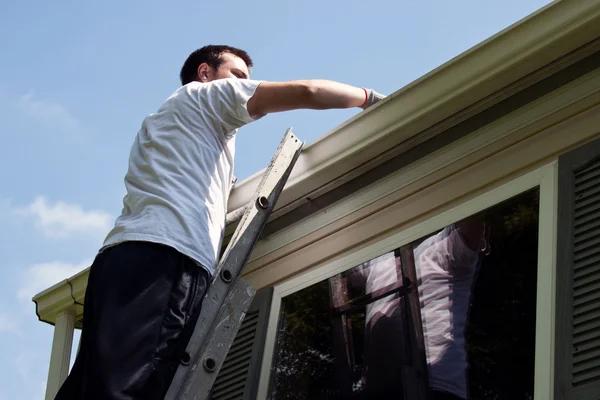
Another valuable technique includes checking gutters and downspouts for granule buildup from deteriorating shingles or unusual sediment deposits signaling material breakdown upstream on the roof structure itself. Inspectors should also examine attic spaces below roofs for water stains, mold growth, or damp insulation that confirms leakage above.
Proper documentation during every stage enhances communication with repair professionals and supports warranty claims if necessary. Photographs accompanied by detailed notes ensure no issue goes unnoticed over time.
Safety remains paramount throughout all inspection activities; therefore, employing harnesses and other fall protection equipment reduces risk when working at heights.
Incorporating these methods into routine maintenance schedules ensures early detection of problems such as cracks, biological growth like moss or algae which degrade surfaces gradually but steadily weaken roofing systems if left unchecked.
By combining careful observation with advanced diagnostic tools while prioritizing safety protocols effectively identifies early signs of damage before they develop into major structural failures requiring extensive intervention efforts.
Langford Roofing
1727 Clearwood Dr, Longview, TX 75604
903-790-1964