Proper storage of red and white wines in a wine cooler is essential to preserve their flavors, aromas, and overall quality. Wine coolers provide an ideal environment by maintaining consistent temperature and humidity levels, which are crucial for aging and enjoying wine at its best. Understanding the differences between red and white wines helps in optimizing storage conditions within the cooler.
Red wines generally benefit from slightly warmer temperatures compared to white wines. While most whites are best stored between 45°F to 55°F (7°C to 13°C), reds thrive closer to 55°F to 65°F (13°C to 18°C). If your wine cooler has dual zones or adjustable temperature settings, it is advisable to store reds in the warmer section and whites in the cooler one. This separation ensures that each type of wine remains at an optimal temperature, preventing premature aging or flavor degradation.
Humidity control also plays a vital role in wine preservation. Ideal humidity levels range from 50% to 70%, which helps keep corks moist without encouraging mold growth. Dry air can cause corks to shrink, allowing oxygen into the bottle that may spoil the wine. Conversely, excessive moisture can lead to mold issues on labels and corks but rarely affects the liquid inside if sealed properly. Most modern wine coolers maintain appropriate humidity automatically; however, monitoring this factor periodically is beneficial.
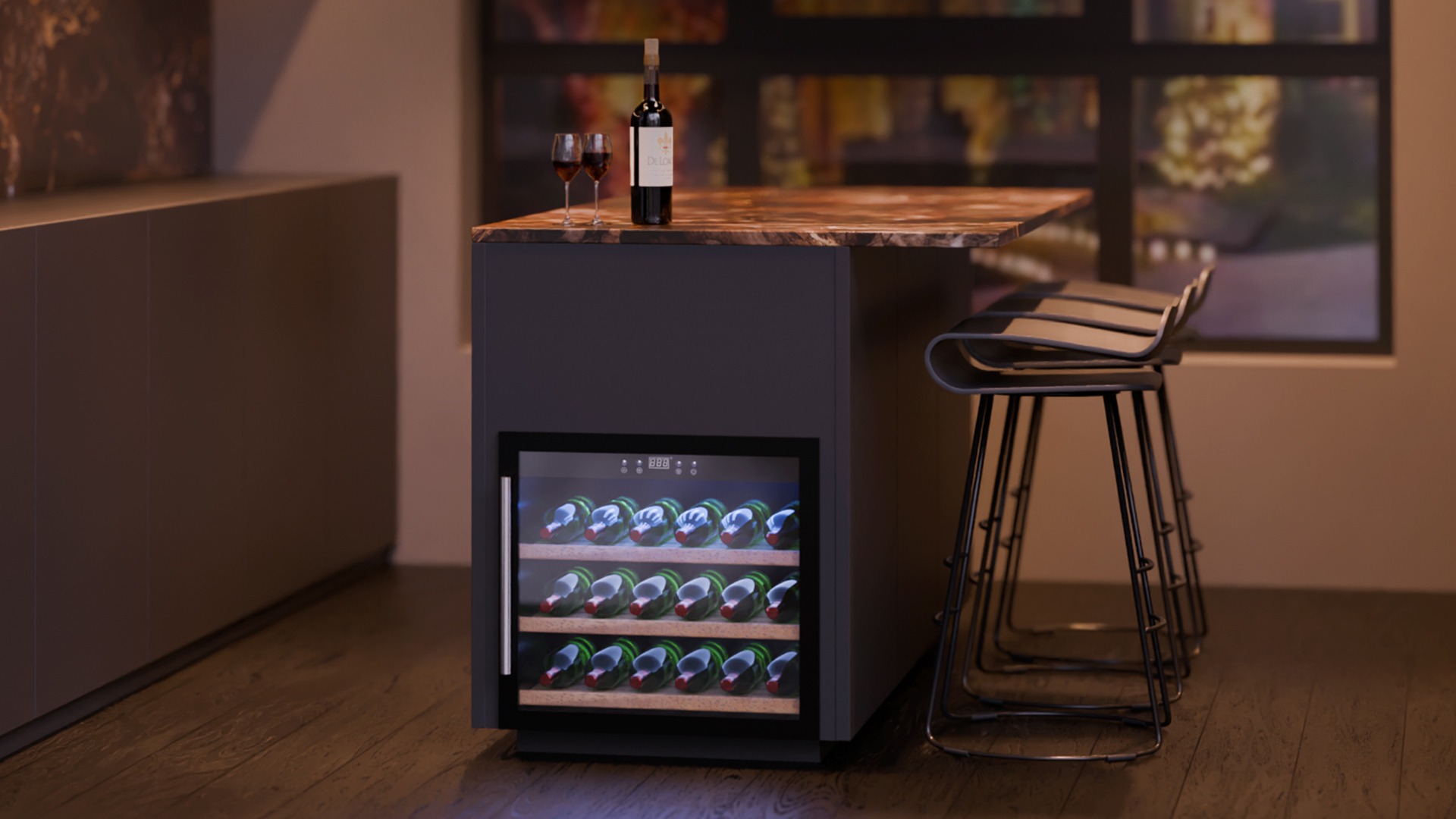
Positioning bottles correctly inside a Wine Cooler enhances long-term storage quality. Bottles should be stored horizontally so that their corks remain in contact with the wine, preventing them from drying out. Avoid placing bottles upright unless they have screw caps or synthetic corks designed for vertical storage since natural corks need moisture retention through contact with liquid.
Light exposure negatively impacts both red and white wines by accelerating chemical reactions that degrade taste compounds over time. Wine coolers typically feature UV-resistant glass doors or solid panels that limit light penetration; nevertheless, keeping your unit away from direct sunlight adds extra protection against damage caused by ultraviolet rays.
Vibration is another factor affecting delicate wines during storage. Excessive movement disturbs sediment settling processes within bottles and may alter flavor profiles subtly but significantly over extended periods. Choose a vibration-free model or place your cooling unit on a stable surface where it won’t be disturbed frequently.
Finally, avoid frequent temperature fluctuations as these stress wines chemically and physically alike leading potentially toward spoilage or loss of character traits unique to each vintage variety stored inside your cooler cabinet space.