
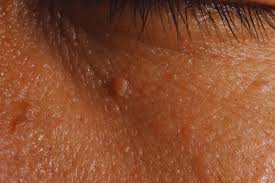
Moles are common skin growths that most people will encounter at some point in their lives. While generally harmless, there are instances where mole removal becomes necessary or desirable due to cosmetic reasons or health concerns. Understanding the process of mole removal and what it entails can help patients make informed decisions about their skincare.
Moles, medically known as nevi, are clusters of pigmented cells that appear as dark spots on the skin. They can vary in color from brown to black and may be flat or raised. While most moles are benign, changes in size, shape, or color can sometimes indicate a risk of skin cancer, particularly melanoma. Therefore, regular monitoring of moles is essential for early detection and prevention.
When considering mole removal, consulting with a dermatologist is crucial. A professional evaluation will determine whether a mole requires removal for medical reasons or if it can be safely left alone. If removal is recommended due to potential malignancy risks or personal preference for cosmetic improvement, several methods may be employed depending on the case specifics.
One common technique is surgical excision. This procedure involves numbing the area with local anesthesia before cutting out the mole along with some surrounding tissue to ensure https://moleremovalat.com/warts/body/ complete removal and minimize recurrence risk. The resulting wound is then stitched up neatly to promote healing and reduce scarring.
Another method is shave excision which involves using a small blade to remove the protruding part of a raised mole without needing stitches afterward; this technique works best for non-cancerous surface-level moles but might not be suitable if deeper layers need addressing.
Laser therapy offers an alternative approach by targeting pigment within moles using concentrated light beams that break down melanin deposits over multiple sessions until they fade away completely over time—ideal mainly when dealing only with superficial lesions rather than deeply rooted ones requiring more invasive measures like surgery instead!
Cryotherapy uses extreme cold temperatures applied directly onto unwanted growths such as warts/molluscum contagiosum (MC) viruses causing them eventually fall off naturally after freezing process completes itself successfully; however caution advised since improper application could lead unwanted side effects including damage healthy surrounding tissues inadvertently affecting overall appearance negatively long-term too!
Post-removal care plays an integral role ensuring optimal recovery outcomes following any chosen treatment option above mentioned earlier: keep area clean dry avoid picking scabs forming during healing phase cover sunscreen prevent hyperpigmentation future sun exposure incidents potentially triggering regrowth similar issues again later date!


