
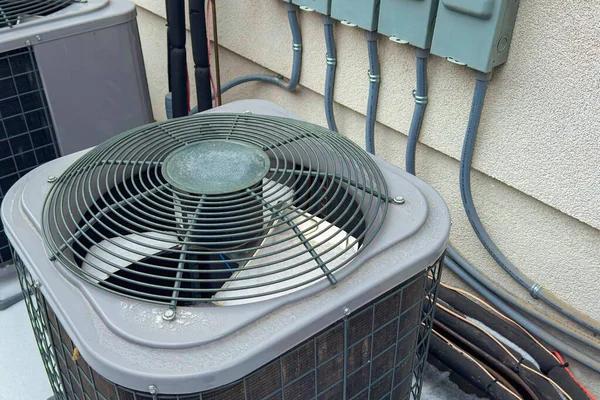
In the realm of commercial cooling systems, heavy-duty refrigerant linesets play a pivotal role in ensuring efficiency and reliability. These components are essential for facilitating the seamless transfer of refrigerants between various parts of the cooling system, such as compressors, condensers, and evaporators. Given their critical function, selecting appropriate linesets is vital to maintaining optimal performance and longevity in commercial refrigeration units.
The primary function of refrigerant linesets is to transport refrigerants while maintaining pressure levels necessary for effective heat exchange. In commercial settings where cooling demands are substantial, the robustness of these linesets becomes paramount. Heavy-duty options are specifically designed to withstand higher pressures and temperatures compared to standard residential counterparts. This durability ensures that they can handle the demanding conditions often encountered in large-scale operations like supermarkets, restaurants, or industrial facilities.
Material composition is a crucial factor when considering heavy-duty Refrigerant Linesets. Typically constructed from copper or aluminum due to their excellent thermal conductivity and corrosion resistance properties, these materials help ensure efficient heat transfer while minimizing potential leaks or degradation over time. Copper remains a popular choice because it offers superior strength and flexibility; however, aluminum has gained traction due to its lightweight nature and cost-effectiveness.
Proper insulation is another significant aspect of heavy-duty refrigerant linesets for commercial systems. Insulation helps prevent energy loss by reducing thermal exchange with the surrounding environment—an essential consideration given the extensive lengths these pipes may cover within large facilities. High-quality insulation also aids in preventing condensation buildup on exterior surfaces which could lead to moisture-related issues like corrosion or mold growth.
Installation practices further influence how well heavy-duty refrigerant linesets perform within a commercial setting. Ensuring correct sizing based on system specifications prevents undue stress on components that might otherwise cause premature failure or inefficiencies during operation cycles—a common pitfall if overlooked during initial setup phases by less experienced technicians unfamiliar with larger scale requirements typical across diverse industries relying heavily upon consistent climate control measures year-round irrespective external weather fluctuations outside facility walls themselves!
Regular maintenance checks remain indispensable even after successful installation processes conclude initially too!


