When it comes to maintaining a comfortable indoor environment, HVAC contractors play a crucial role in evaluating thermostat settings and system performance. Their expertise ensures that heating, ventilation, and air conditioning systems operate efficiently, providing optimal comfort while minimizing energy consumption. Understanding how these professionals assess thermostats and system functionality can help homeowners appreciate the complexity behind a well-balanced climate control system.
The evaluation process begins with a thorough inspection of the thermostat itself. HVAC contractors check if the thermostat is correctly installed and calibrated. Modern thermostats, especially programmable and smart models, offer various settings that control temperature schedules and system operation modes. Contractors verify that these settings align with the homeowner’s comfort preferences and energy-saving goals. They also examine the thermostat’s responsiveness to temperature changes and ensure it communicates effectively with the HVAC system.
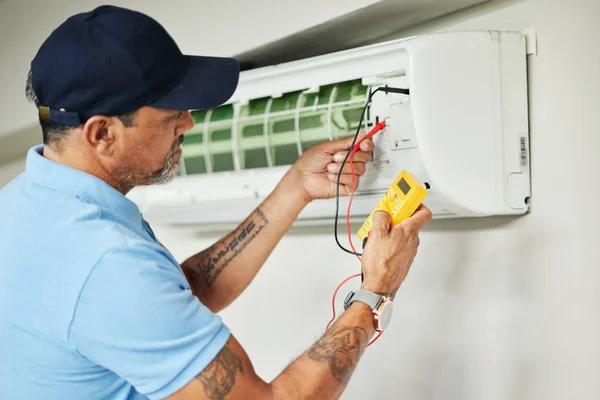
Next, contractors assess the overall system performance by examining key components such as the furnace, air conditioner, heat pump, ductwork, and ventilation. They measure airflow, temperature differentials, and system pressures to determine if the equipment operates within manufacturer specifications. By using specialized diagnostic tools, they detect issues like refrigerant leaks, clogged filters, or malfunctioning sensors that could compromise performance. This comprehensive evaluation helps identify inefficiencies or potential failures before they escalate into costly repairs.
One critical aspect HVAC contractors focus on is how well the thermostat settings correspond with actual system output. For instance, if a thermostat is set to a specific temperature but the indoor environment does not reach or maintain that view full article temperature, it indicates a possible problem. Contractors analyze this discrepancy by reviewing system response times and cycling patterns. Frequent short cycling, where the system turns on and off rapidly, can signal sizing issues or thermostat malfunctions, impacting comfort and energy use.
Energy efficiency is another vital consideration. HVAC contractors evaluate whether the thermostat programming promotes energy-saving practices, such as adjusting temperature settings during unoccupied periods. They may recommend upgrading to a smart thermostat that adapts to user behavior and weather conditions, optimizing system performance while reducing utility bills. Additionally, contractors often provide guidance on maintaining thermostats and HVAC equipment to ensure long-term reliability.
In conclusion, HVAC contractors utilize a detailed and methodical approach to evaluate thermostat settings and system performance. Their inspections encompass thermostat functionality, system diagnostics, and energy efficiency assessments, ensuring that HVAC systems deliver comfort reliably and economically. Homeowners who understand this process can better collaborate with professionals to maintain an optimal indoor climate and extend the lifespan of their HVAC equipment.