
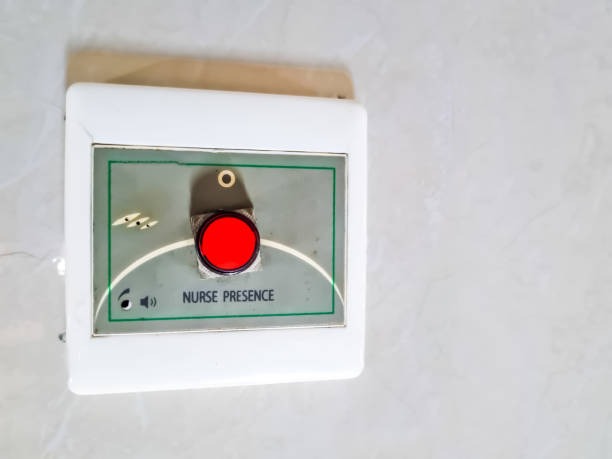
Nurse call technology has become an essential component in modern healthcare facilities, revolutionizing the way nurses and medical staff communicate with patients and each other. This technology facilitates seamless communication, enhancing patient safety, improving response times, and streamlining hospital workflows. As hospitals and clinics strive to provide high-quality care, the integration of advanced nurse call systems plays a pivotal role in meeting these goals.
At its core, nurse call technology allows patients to alert nursing staff when they require assistance. Traditional nurse call systems were often basic, relying on simple buttons or cords to notify nurses. However, contemporary systems have evolved significantly with the incorporation of digital features, wireless connectivity, and real-time monitoring. These innovations ensure that alerts are transmitted promptly and accurately, reducing the chances of missed or delayed responses.
One of the key advantages of modern nurse call technology is its ability to support two-way communication. This feature enables nurses to communicate directly with patients before physically arriving at the room, allowing them to assess the situation and prioritize tasks accordingly. This reduces unnecessary room visits, conserves nursing time, and enhances patient satisfaction by providing immediate reassurance.
Furthermore, nurse call systems are increasingly integrated with other hospital technologies such as electronic health records (EHR), patient monitoring devices, and staff scheduling software. This integration helps create a cohesive environment where information flows seamlessly between departments and caregivers. For example, if a patient’s vital signs indicate distress, the nurse call system can automatically alert the appropriate medical personnel, ensuring a rapid and coordinated response.
Wireless nurse call solutions have introduced greater flexibility and scalability, especially in larger healthcare facilities. These systems utilize mobile devices, such as smartphones or pagers, to notify nurses wherever they are within the hospital. This mobility enhances communication efficiency and allows staff to respond to calls more swiftly. Additionally, wireless systems reduce the need for extensive wiring infrastructure, making installation and maintenance easier and less disruptive.
Security and reliability are critical aspects of nurse call technology. Advanced systems employ encrypted communication channels and redundant networks to ensure that alerts are delivered without delay and protected from unauthorized access. This reliability is vital in emergency situations where every second counts.
In conclusion, nurse call technology for seamless communication is transforming healthcare delivery by improving the interaction between patients and nursing staff. By enabling faster responses, supporting two-way communication, and integrating with hospital systems, these technologies contribute to safer, more efficient, and patient-centered care environments. As healthcare demands continue to grow, investing in robust nurse call solutions will remain a priority for institutions aiming to enhance clinical outcomes and overall patient experience.